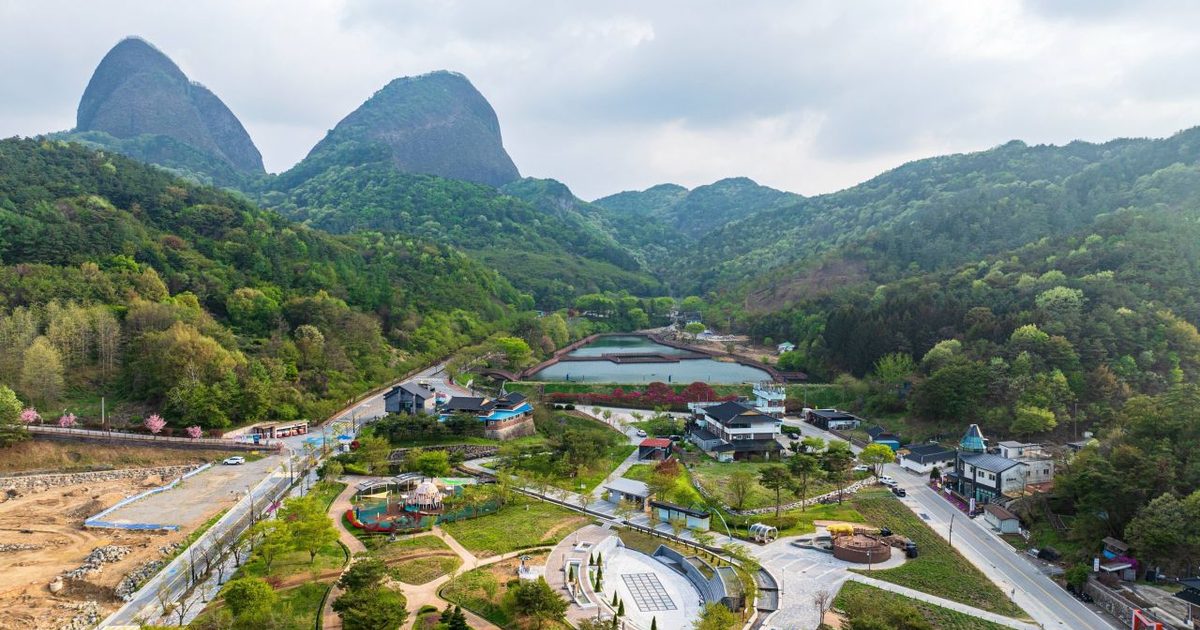
Maisan's Hidden Bridges: Korea's Ancient Twin Peaks in June
While most visitors chase cherry blossoms in spring or autumn colors, June reveals a completely different side of Korea's most uniquely shaped mountain park. The twin peaks that locals call 'dragon horns' in summer hide suspension bridges and bamboo groves that few international travelers ever discover.
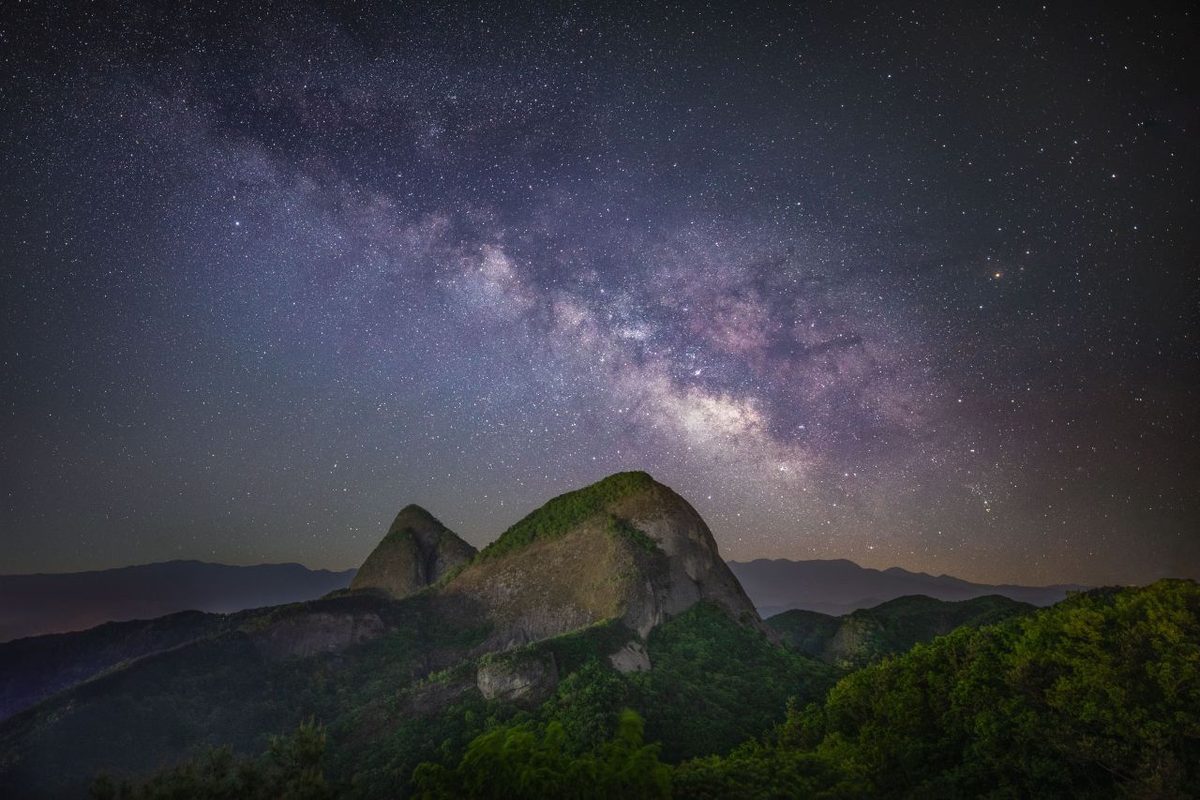
The mist clings to impossibly sharp peaks that rise like ancient spears from the green valley floor. This is Maisan Provincial Park in June—when the crowds have thinned but the drama remains at full intensity. Those distinctive twin summits have been watching over Jeollabuk-do for 146 million years, and they're about to show you why locals have given them different names for each season.
Why June is Maisan's Secret Season
Most Korean nature lovers associate Maisan with autumn's golden foliage or winter's stark beauty, but June offers something entirely different. The twin peaks—Ammaibon (687.4m) and Sumaibon (681.1m)—transform into what locals traditionally call 'dragon horns' during summer months, their sharp silhouettes cutting through lush green landscapes instead of bare winter skies.
This seasonal transformation isn't just poetic license. The peaks genuinely appear to change shape as vegetation cycles through the year, earning them four distinct names: twin masts in spring, dragon horns in summer, horse ears (Maibong) in autumn, and writing brush peaks (Munpilbong) in winter. June sits right in that sweet spot where the summer greenery has filled in but the oppressive heat and monsoon rains haven't fully arrived.
The timing also means you'll encounter far fewer tour groups than during peak autumn season, giving you those Instagram-worthy suspension bridge shots without crowds of strangers in the background.
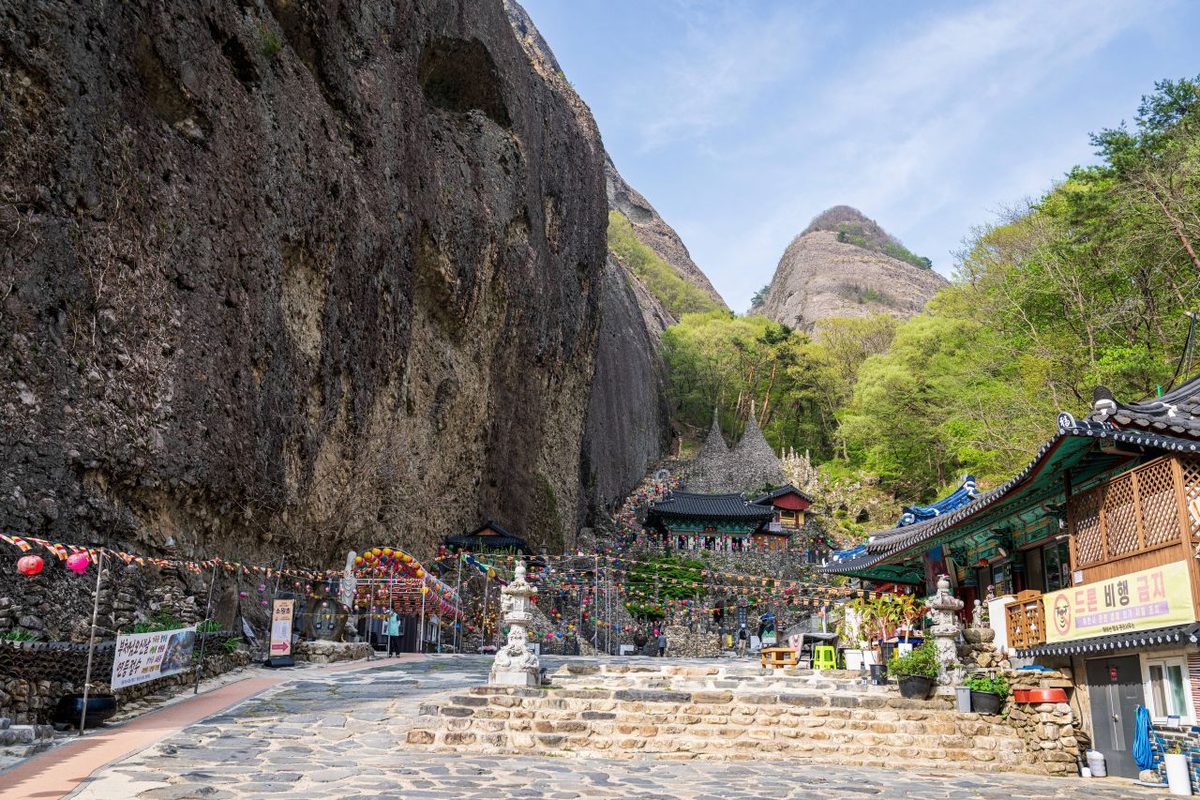
The Hidden Suspension Bridges Experience
The park's network of suspension bridges offers the kind of adventure that makes you forget you're just two hours from Seoul. These aren't the massive tourist magnets you'll find at more famous Korean national parks—they're tucked into valleys and forest paths that require some actual hiking to reach.
The main suspension bridge experience connects different sections of the hiking trail system, allowing you to cross valleys with those distinctive twin peaks framing your photos. In June, the bridges are surrounded by dense green canopy, creating natural tunnels of leaves that filter the sunlight into shifting patterns below your feet.
What makes these bridges special isn't just their engineering—it's their integration into the landscape. Unlike purpose-built tourist attractions, Maisan's bridges feel like natural extensions of the mountain paths, swaying gently as you cross while offering glimpses of the bamboo forests below.
Bamboo Forest Trails Less Traveled
While Damyang gets all the bamboo forest attention from international visitors, Maisan's bamboo groves offer a more intimate experience. The bamboo here grows in pockets throughout the park rather than forming one massive grove, creating unexpected discoveries as you round trail corners.
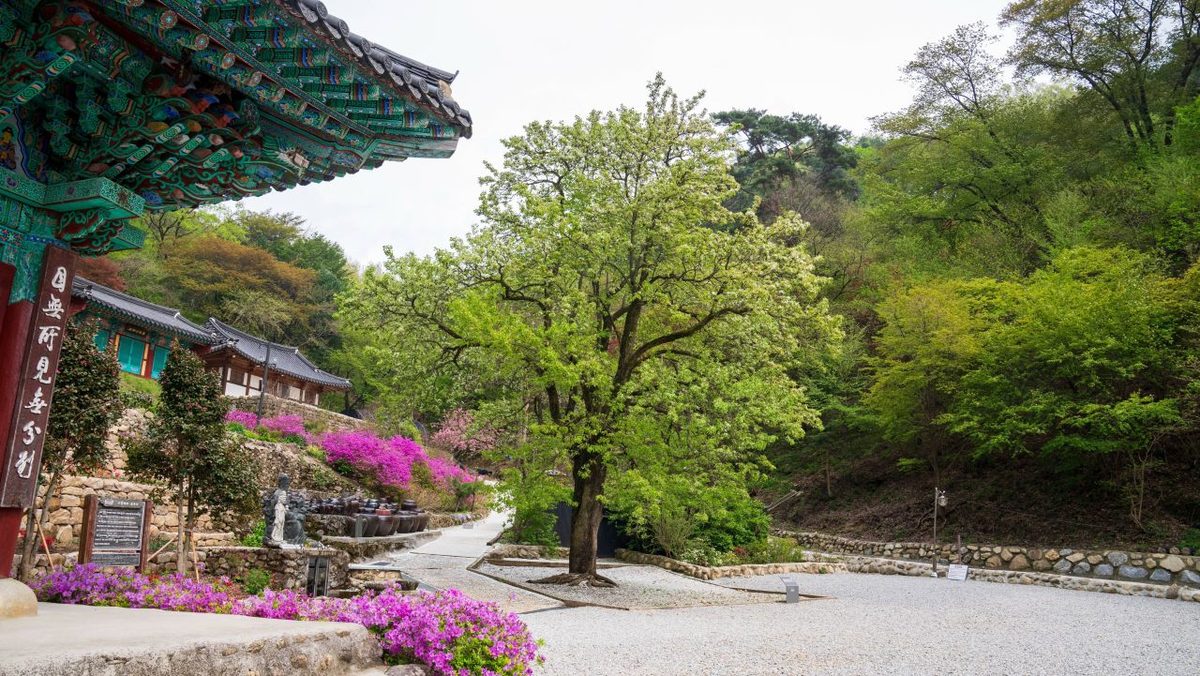
June is particularly magical for bamboo forest hiking because the new growth has reached full height but hasn't yet been battered by summer storms. The light filtering through the bamboo creates those cathedral-like columns of sunbeams that photographers dream about, especially during early morning hikes.
The bamboo sections are woven throughout the park's trail system rather than concentrated in one area, so you'll encounter them naturally as you explore rather than checking them off a tourist checklist.
Ancient Geology Meets Modern Adventure
Those twin peaks aren't just scenic—they're geological marvels formed during the Mesozoic Cretaceous period, roughly 146 to 66 million years ago. The unique formation process created the sharp, distinctive profiles that make Maisan instantly recognizable even from great distances.
The park encompasses 16.90 square kilometers since its designation as a provincial park in 1979, with the main twin peaks anchoring a system of about 10 smaller summits. This creates multiple hiking options depending on your fitness level and time constraints.
For international visitors, this geological story adds context to what you're seeing. These aren't just pretty mountains—they're ancient survivors that have weathered millions of years while maintaining their distinctive shape.
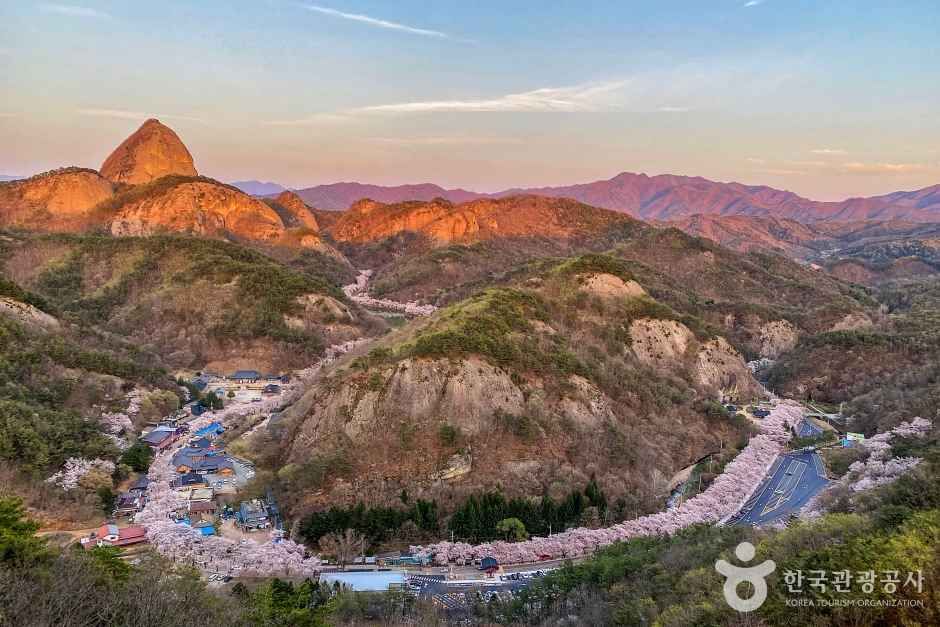
Getting There and Getting Around
Maisan Provincial Park sits in Jinan County, Jeollabuk-do, making it accessible as either a day trip from Seoul or part of a longer exploration of Korea's southwest regions. The most straightforward route involves taking a bus to Jinan and then local transportation to the park entrance.
From Seoul, express buses to Jinan run regularly from Gangnam Express Bus Terminal, taking roughly 3-4 hours depending on traffic. Once in Jinan, local buses connect to the park entrance, though taxi service is also readily available and often more convenient for international visitors managing language barriers.
If you're driving, the park offers parking facilities, though June weekends can still see decent crowds despite being off-peak season.
Practical Planning for Your Visit
Entry to Maisan Provincial Park requires a modest entrance fee typical of Korean provincial parks. The main hiking trails are well-marked with Korean and limited English signage, though downloading a translation app or bringing a Korean speaker can enhance the experience significantly.
June weather in this region tends to be warm and humid with occasional rain showers, so pack accordingly. Lightweight, breathable hiking clothes work best, along with a light rain jacket for sudden weather changes. The suspension bridges can be slippery when wet, making proper hiking shoes essential rather than optional.
For timing, early morning starts (7-8 AM) offer the best combination of cooler temperatures, dramatic lighting for photography, and lighter crowds on the trails and bridges. The bamboo forests are particularly photogenic during morning hours when dew and filtered sunlight create that magical atmosphere.
Most visitors can complete the main trail circuit including suspension bridges and bamboo forest sections in 4-6 hours, depending on pace and photo stops. This makes it perfect for a solid day trip while leaving time for exploring Jinan's local food scene afterward.
Beyond the Obvious
What makes Maisan special in June isn't just what you'll see—it's what you won't. No crowds fighting for bridge selfies. No tour buses lined up at the entrance. Just you, ancient peaks, hidden bridges, and bamboo forests that have been quietly spectacular long before social media discovered them.
The park represents that sweet spot of Korean nature tourism: dramatic enough to justify the journey, accessible enough for day trippers, but still undiscovered enough by international visitors to feel like your own secret find.