Nakdong River Firefly Sanctuaries: June's Magic Along Korea
Korea's longest river transforms into a constellation of blinking lights each June, when thousands of fireflies emerge along its 510-kilometer journey from mountain to sea. Traditional night markets and eco-tourism programs make this natural spectacle accessible to international visitors seeking an authentic Korean summer experience.
Picture this: you're standing beside Korea's longest waterway as dusk settles over the countryside, and suddenly the air begins to shimmer with tiny green lanterns. Fireflies dance above the Nakdong River each June, creating one of the country's most enchanting seasonal phenomena that few international visitors know about.
Why June is Prime Time for Firefly Watching
June offers the perfect storm of conditions for firefly activity along the Nakdong River basin. Temperatures range from a comfortable 22.9°C in the northern city of Bonghwa to 26.7°C in Daegu further south — ideal warmth that encourages these bioluminescent insects to emerge for their brief mating season.
The timing is crucial. Fireflies typically appear for just three to four weeks annually, with peak activity occurring during June's warm, humid evenings. Miss this window, and you'll have to wait another year. The Nakdong River's diverse ecosystem, flowing 510.36 kilometers through five provinces from Gangwon to Busan, provides multiple pristine habitats where these insects thrive away from urban light pollution.
The Muju Firefly Festival: A Three-Decade Tradition
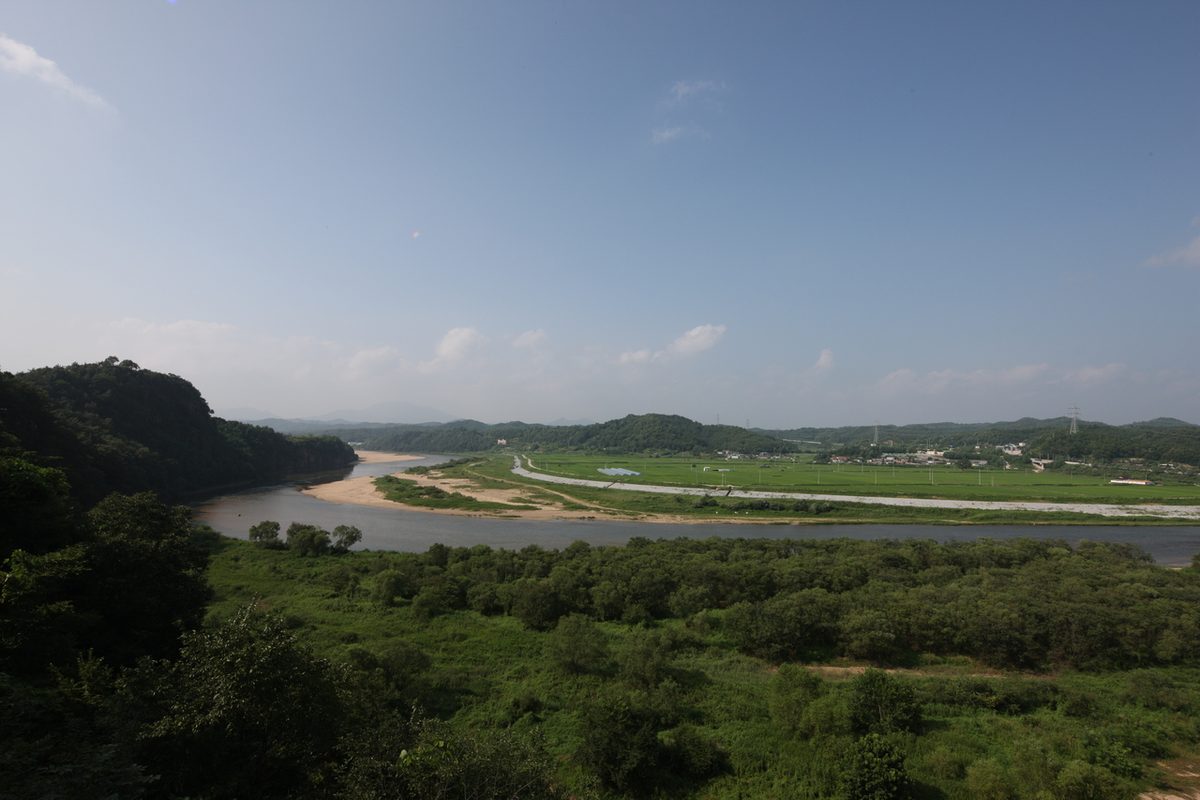
The crown jewel of Korea's firefly tourism is the Muju Firefly Festival, celebrating its 30th anniversary in 2026 with expanded programming. What sets this festival apart is its commitment to preserving the natural habitats where fireflies actually live, rather than creating artificial displays.
The festival takes place in pristine natural areas where visitors can witness fireflies in their authentic environment. Evening programs typically begin after sunset, when guides lead small groups through designated viewing areas. The experience feels almost otherworldly — thousands of tiny lights blinking in synchronized patterns against the backdrop of Korea's mountain valleys.
Beyond the main spectacle, the festival includes educational eco-tourism programs that teach visitors about firefly life cycles and conservation efforts. These programs often feature hands-on activities like water quality testing and habitat restoration, giving international visitors deeper insight into Korea's environmental initiatives.
Traditional Night Markets Along the River
The Han River Environment Office has been promoting waterway food markets, and this initiative extends to the Nakdong River system, where traditional night markets complement the firefly viewing experience. These markets typically operate during festival season, offering local specialties and regional foods that you won't find in Seoul's tourist districts.
Expect to find vendors selling everything from freshly grilled river fish to traditional Korean snacks like hotteok (sweet pancakes) and tteokbokki (spicy rice cakes). The markets usually open around 6 PM, giving you time to enjoy dinner before the fireflies emerge around 8:30 PM.
Many vendors speak limited English, but pointing and smiling go a long way. Prices are generally reasonable — budget around 15,000–20,000 won ($11–15 USD) for a satisfying market meal.
Getting There: Navigation Tips for International Visitors
The Nakdong River flows through multiple provinces, so your entry point depends on which firefly viewing area you choose. Muju, home to the famous festival, is accessible via bus from Seoul's Central City Terminal (approximately 2.5 hours) or by KTX to Daejeon followed by a local bus connection.
For a more comprehensive river experience, consider the city of Andong in North Gyeongsang Province, where the river creates scenic bends perfect for firefly habitat. Andong is reachable by KTX from Seoul Station in about 1.5 hours.
If you're already planning to visit Busan, the river's endpoint offers a different perspective — though urban light pollution means fewer fireflies. The northern regions near Bonghwa provide the most pristine viewing conditions but require more travel time.
Rental cars offer maximum flexibility for exploring multiple viewing spots, but public transportation combined with local taxis works well for most visitors. Download the Citymapper app for real-time transit information in English.
Practical Tips for Your Firefly Adventure
**Timing**: Arrive at viewing areas by 8 PM. Peak firefly activity occurs between 8:30 and 10 PM, when temperatures cool but humidity remains high.
**What to Bring**: Insect repellent is essential — you're in prime mosquito territory. Bring a small red flashlight if you have one (red light doesn't disturb fireflies), though many organised tours provide these. Comfortable walking shoes with good grip are important for potentially uneven terrain.
**Costs**: Festival entrance fees typically range from 5,000–10,000 won ($4–8 USD) for adults. Guided tours cost 15,000–25,000 won ($11–19 USD). Accommodation in festival areas books up quickly, so reserve early or consider day trips from larger cities.
**Crowd Strategy**: Weeknight visits offer fewer crowds and often better viewing conditions. If you must visit on weekends, arrive early and be prepared for more structured group viewing rather than independent exploration.
**Photography**: Flash photography is prohibited as it disrupts firefly behavior. High-ISO cameras or smartphones with night modes can capture the ambiance, though the magic is best experienced rather than photographed.
Beyond the Lights: River Culture Immersion
The Nakdong River region offers cultural experiences that complement the firefly spectacle. Traditional temples dot the landscape, and many riverside villages maintain centuries-old customs. Consider extending your visit to explore masked dance traditions in Andong or traditional pottery workshops in smaller river towns.
Local homestays and hanok (traditional house) accommodations provide authentic cultural immersion, though English communication may be limited. Many international visitors find this language barrier part of the charm, relying on translation apps and universal gestures to connect with local families.
June along the Nakdong River offers a uniquely Korean experience that combines natural wonder with deep cultural traditions. As development pressures threaten firefly habitats worldwide, witnessing this annual miracle feels both magical and meaningful — a reminder of the delicate balance between human activity and natural cycles that Korean communities work to preserve.
근처 가볼 만한 곳
- destinations
3 Han River–View Book Cafés in Seogang: Riverside Reading to Pair with a June Picnic
Hidden along the Han River in early summer, the Seogang area is home to a handful of extraordinary spaces where books and water meet. From Gangbyeon Seojaе inside the National Assembly to Nodeul Seoga on Nodeul Island, discover three book cafés — each with its own distinct Han River view — and make the most of a leisurely June afternoon.
- destinations
Korea's New Island-Hopping Trail Opens This June
Walk across the ocean from island to island on Korea's first pedestrian bridge trail, connecting five remote islands in the Gogunsan archipelago. Perfect June weather means you'll beat both winter storms and summer crowds.
- destinations
Nakdae Falls, Cheongdo: The Free Two-Tier, 30-Metre Waterfall at Its Early-Summer Best
No parking fee, no entrance fee — and yet one of Cheongdo's Eight Scenic Wonders awaits. In June, Nakdae Falls is exactly that kind of place.
- destinations
Hallasan's Royal Azaleas Peak in June: Pink Blooms Along the Yeongsilgil to Witseoreum
Hallasan's mountain royal azaleas (san-cheoljjuk), which began blooming in mid-May, have reached their absolute peak as of June 2026. The seemingly endless swaths of pink blooms stretching from Witseoreum along the Yeongsilgil all the way to Nambeoк Bungijjeom are at their most breathtaking right now.
- destinations
Maisan's Hidden Bridges: Korea's Ancient Twin Peaks in June
While most visitors chase cherry blossoms in spring or autumn colors, June reveals a completely different side of Korea's most uniquely shaped mountain park. The twin peaks that locals call 'dragon horns' in summer hide suspension bridges and bamboo groves that few international travelers ever discover.
- destinations
June at Gochang Eupseong Fortress Wall Trail: Get Your Admission Fee Back and Visit Maengjong Bamboo Forest
The season has arrived when you can simultaneously enjoy walking the fortress wall trail and strolling through the bamboo forest at Gochang Eupseong, lush with early summer greenery. The charm of getting your admission fee back as gift vouchers makes it practically free to visit.